FUCK

“FUCK” A short comedy movie directed by Danny Morgan is about a sleep-deprived couple attempts to rekindle their intimacy after having a baby. With each attempt, their child interrupts by crying, needing to be fed, or through ambient noise turning what should be a romantic night into a comic and emotionally tense episode. The heart of the film lies in the tension between being parents and being lovers. The baby is a literal and symbolic barrier between them not out of malice, but out of need and responsibility. The repeated interruptions show how hard it is to make space for intimacy when caregiving is all-consuming.
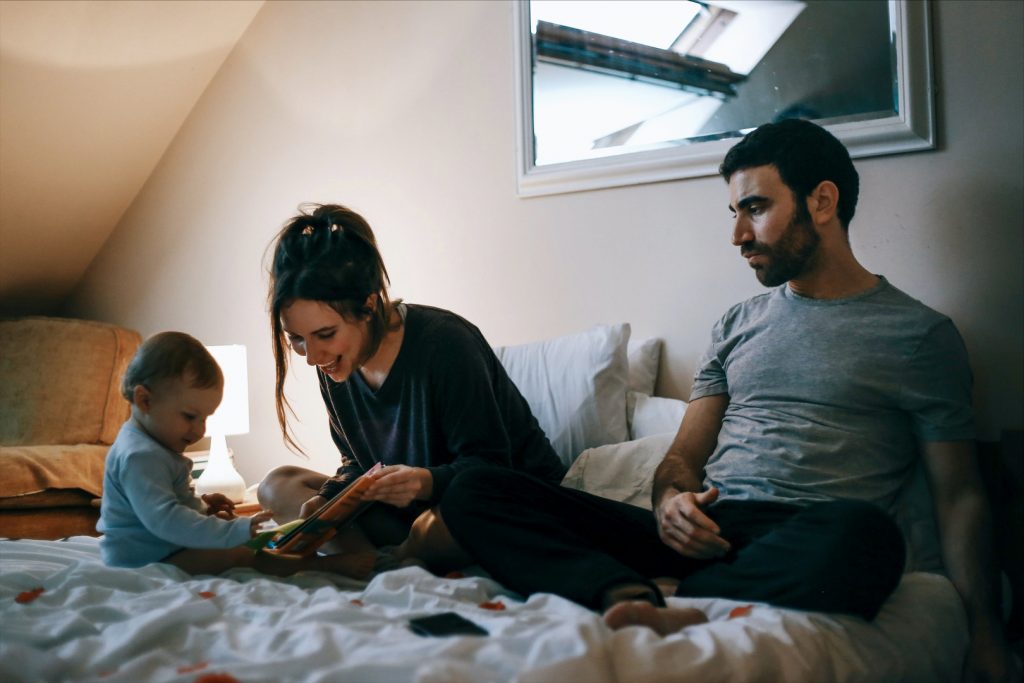
The film opens with a bold and playful visual: a bed decorated with rose petals and the phrase “Do Me.” It's immediately engaging, hinting at seduction and romance. But within moments, that mood is flipped upside down by the baby's cry, a narrative bait-and-switch that hooks the viewer. From there, the film keeps your attention through its pacing, realism, and mounting emotional tension. Even in its simplicity, you find yourself constantly wondering, "Will they finally get their moment?"
The film follows a couple trying to reignite their sex life after what seems like a long dry spell, likely caused by the demands of new parenthood. The husband sets the mood romantically. As they begin to make love, their baby cries. The wife gets up to breastfeed. After the baby sleeps, they try again but the child interrupts once more. The man, desperate, pleads with her not to go. She becomes emotionally detached, leading to a short argument. They both turn away but eventually apologize and try again. Just when peace returns, a baby toy falls, makes noise, and wakes the baby up again. Fade to black.
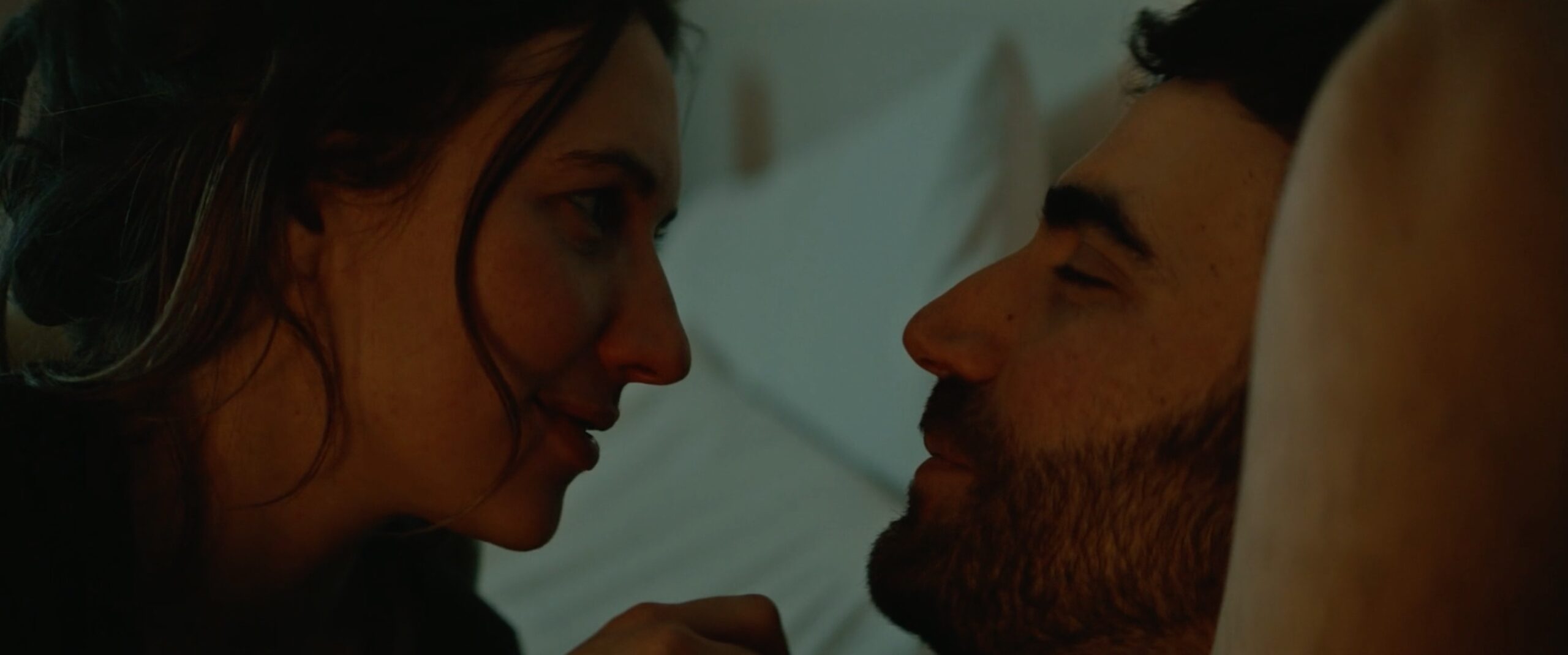
The Husband (Brett Goldstein)
Initiator of intimacy, clearly yearning for connection. Vacillates between tenderness and frustration. His emotional arc is subtle: from hope → desperation → resignation → humility
The Wife (Esther Smith)
Torn between roles as a mother and a partner Feels pressure to perform or respond even when not emotionally present. Her arc moves from obligation → resistance → vulnerability → reconnection
Their final moment, when they both say sorry and try again, shows love not as fireworks but as persistence.
The cinematography in “Fuck” is a masterclass in restraint and emotional storytelling. It doesn’t rely on flashy visuals, but instead uses composition, lighting, and silence to let the viewer feel every beat of tension, every unspoken apology, and every failed attempt at connection
There isn’t a lot of music in the film, but the sound is very clear. You can hear every part of their voices the angry tones, the soft parts, the funny parts. The lack of background music helps you focus on the emotions and the power of that one word.
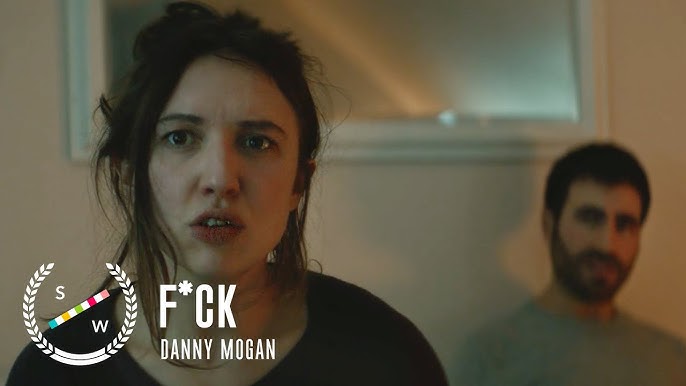
The central message of the film is both poignant and universal:
“Love is not just about romance, it’s about persistence, patience, and surviving interruptions.”
It explores how real intimacy is often about navigating the chaos of life together. The film makes a powerful statement that sex and love are not always derailed by big things sometimes, it’s the everyday demands, like a crying baby or emotional fatigue, that pose the greatest threat.
Overall impact
Fuck” is a raw and emotionally honest short film that explores the struggle to maintain intimacy amidst the everyday chaos of parenthood. Through subtle performances, naturalistic cinematography, and a realistic narrative, it portrays a couple trying—unsuccessfully—to reconnect, constantly interrupted by their baby.
The film stands out for its emotional realism, restrained visuals, and relatable themes. The lack of dramatic resolution gives it lasting power, reflecting how love often survives not through perfection, but through persistence.
In the end, “Fuck” is not just about sex—it's about love interrupted by life, and the quiet strength it takes to keep trying.
A simple story, told truthfully, that stays with you.


Comments
Post a Comment